የ11ኛ ክፍል ባዮሎጂ ምዕራፍ 3
An enzyme's best temperature and pH
1:24 · በምዕራፍ 3 ላይ ካሉት 3 ማብራሪያዎች 2ኛው
የ11ኛ ክፍል ባዮሎጂ ምዕራፍ 3 አጭር የ Temari የአኒሜሽን ማብራሪያ፦ An enzyme's best temperature and pH። የሚናገረው ሁሉ ከቪዲዮው በታች ተጽፏል። በነጻ ይታያል፤ መለያ አያስፈልግም። ማብራሪያዎቹ በእንግሊዝኛ ናቸው።
ማብራሪያው የሚናገረው ሁሉ
የማብራሪያው ቃላት በየክፍሉ፣ በቪዲዮው ላይ እንደሚጻፉት።
Heat changes how fast an enzyme works
Here is an enzyme, and its substrate fits into the active site.
Let's warm it up slowly and watch the rate of reaction.
When it is cold, the enzyme is inactive.
Warmer, and the rate climbs
As the temperature rises, the rate climbs.
Substrate after substrate is turned into products, faster and faster.
At the peak, the enzyme is most active. This is its optimum temperature.
Too hot, and the rate crashes
Now heat it past 40 °C, and the rate crashes.
High heat breaks the bonds that hold the enzyme's shape.
Its active site is distorted, so the substrate can no longer bind. It is denatured.
Cooling it does not bring it back
Now cool it back down again.
The rate stays at the bottom. Once an enzyme is denatured, it cannot be renatured.
pH has an optimum too
Take a fresh enzyme, and change the pH instead.
It is most active at its optimum pH.
Too acidic or too alkaline, and the rate falls.
It can no longer bind its substrate, and an extreme pH denatures it.
Temperature, pH and enzymes
Each enzyme works best at its optimum temperature and pH.
Save this one for revision.
የምዕራፍ 3 ሙሉ ትምህርት
በዚህ ምዕራፍ ላይ ያለው ረዘም ያለ የ Temari ቪዲዮ ትምህርት ነው፤ የሚናገረው ሁሉ በገጹ ላይ ተጽፏል።
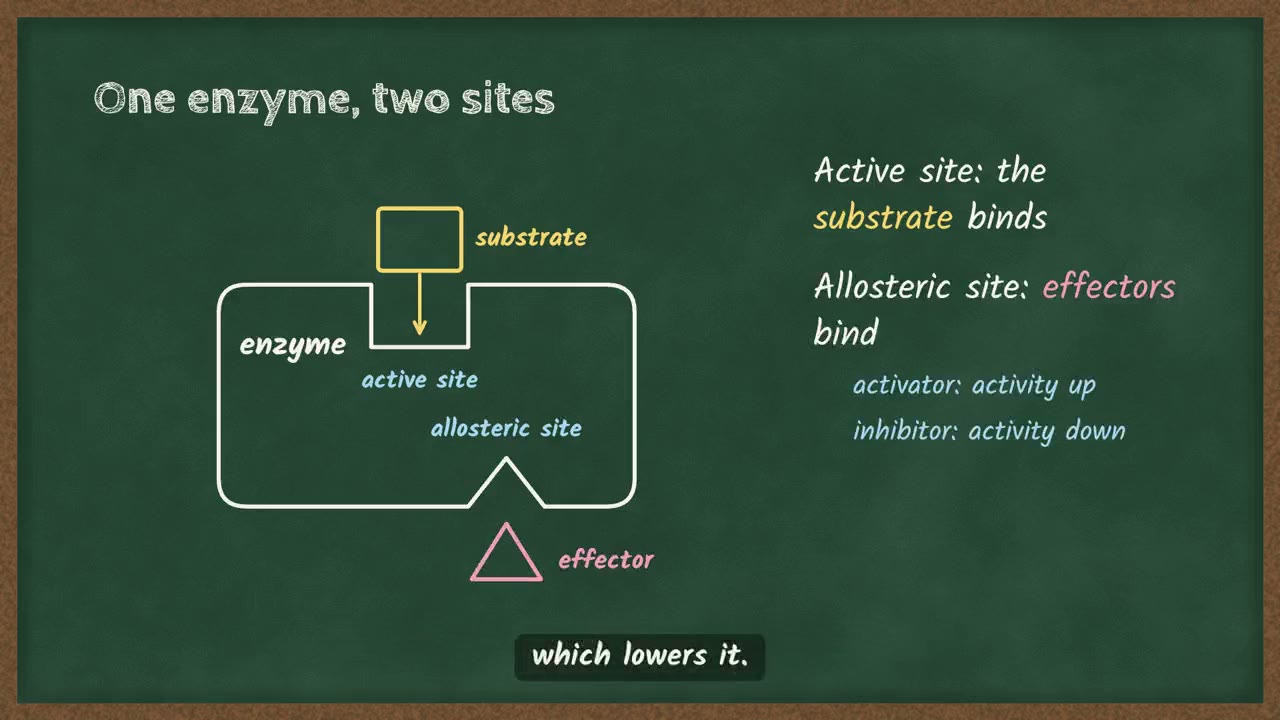 Two places to switch an enzyme off4 ደቂቃ
ስለ ምዕራፍ 3 ተጨማሪ
የምዕራፉ ገጽ Temari በዚህ ምዕራፍ ላይ ያለውን ሌላውን ይዟል፤ ለምሳሌ አጭር ማስታወሻዎችና የመልመጃ ጥያቄዎች ከመልሶቻቸው ጋር።
የምዕራፍ 3 ገጽ ይክፈቱይህን ምዕራፍ በመተግበሪያው ይለማመዱ
Temari ይህን ምዕራፍ ወደ ጊዜ የተቆረጠለት መልመጃ ይለውጠዋል፣ እየሠሩ ያርምዎታል፤ ያልገባዎትንም የሚያብራራ የ AI አስተማሪ አለ።
በነጻ ይጀምሩ
Temari.et ለ Android ስልኮች መተግበሪያ አለው፤ በ Google Play ላይ በነጻ ይገኛል።

