የ12ኛ ክፍል ታሪክ ምዕራፍ 6
Eritrea: from federation to armed struggle
4 ደቂቃ · የተሠሩ 2 ያለፉ የፈተና ጥያቄዎች
የትምህርቱ ክፍሎች
ትምህርቱን ከዚያ ጀምሮ ለማጫወት አንድ ክፍል ይንኩ።
የ12ኛ ክፍል ታሪክ ምዕራፍ 6 የ4 ደቂቃ የ Temari ቪዲዮ ትምህርት፦ Eritrea: from federation to armed struggle። 2 ያለፉ የፈተና ጥያቄዎችን ደረጃ በደረጃ ይሠራል። ትምህርቱ የሚናገረው ሁሉ ከቪዲዮው በታች ተጽፏል። ትምህርቱ በእንግሊዝኛ ነው።
ስለ ምዕራፍ 6 ተጨማሪ
የምዕራፉ ገጽ Temari በዚህ ምዕራፍ ላይ ያለውን ሌላውን ይዟል፤ ለምሳሌ አጭር ማስታወሻዎችና የመልመጃ ጥያቄዎች ከመልሶቻቸው ጋር።
የምዕራፍ 6 ገጽ ይክፈቱትምህርቱ የሚናገረው ሁሉ
የትምህርቱ ቃላት በየክፍሉ። ትምህርቱን ከዚያ ጀምሮ ለማጫወት ሰዓቱን ይንኩ።
0:00Introduction
In 1941, Italy lost Eritrea. Twenty years later, an armed struggle began there against the imperial government. Today you will see how Eritrea went from British rule, to federation with Ethiopia, to that armed struggle.
0:17Ethiopia's claim to Eritrea
After the Italians surrendered, Eritrea stayed under British military administration, from 1941 to 1951. Ethiopia argued for it on three grounds.
First, history. Eritrea, the old Mereb Melash, was part of the Ethiopian Empire before Italy took it in the 1890s. Second, defence. Italy had used Eritrea as its base to invade Ethiopia, in 1895 and again in 1935. Third, access to the sea. Eritrea has the Red Sea coast, and Ethiopia had no port of its own.
0:56The UN commission, 1950
Inside Eritrea, the Unionist Party, the largest group, wanted union with Ethiopia. The Muslim League and others wanted independence. The Four Powers could not settle it, so in 1948 they sent it to the United Nations.
A UN commission of five countries came to Eritrea in 1950, to find out what the people wanted. It split three ways. Guatemala and Pakistan said independence. South Africa and Burma said federation with Ethiopia. Norway said union. The General Assembly chose federation, and it came into effect in 1952.
1:36Exam question 1ያለፈ ፈተና
Now a real exam question, from the 2017 national exam. Which of these was not one of Ethiopia's arguments for Eritrea after the Second World War? Pause the video, and try it.
Match each option to the three grounds: history, defence and the sea. Ethiopia never argued that Eritrea was its breadbasket. The answer is A. B is the history argument. C is defence: Italy used Eritrea as a base. And D is access to the Red Sea.
2:17Why the federation failed
Under the federation, Eritrea kept its own government, with freedoms unknown in the rest of the country. But the federation satisfied neither side. The unionists wanted full union. The separatists wanted independence. And the imperial government did not want an autonomous Eritrea either.
In 1960, Eritrean exiles in Cairo founded the Eritrean Liberation Front, and in September 1961, it began an armed struggle for independence. Then in 1962, the Eritrean parliament voted to dissolve the federation.
2:56Exam question 2ያለፈ ፈተና
One more, from the 2016 national exam. Why did the Ethio-Eritrean federation fail? Pause, and try it.
The federation was a middle way, and neither side wanted one. The unionists wanted full union, and the separatists wanted independence. The answer is B. A cannot be right: the Italians had lost Eritrea back in 1941. And C and D are not the reasons your textbook gives.
3:33Summary
So remember. Ethiopia claimed Eritrea on three grounds: history, defence, and access to the sea. The UN chose federation, which came into effect in 1952. It satisfied neither the unionists nor the separatists. And in 1962, the federation was dissolved. Keep practising questions like these on Temari.et.
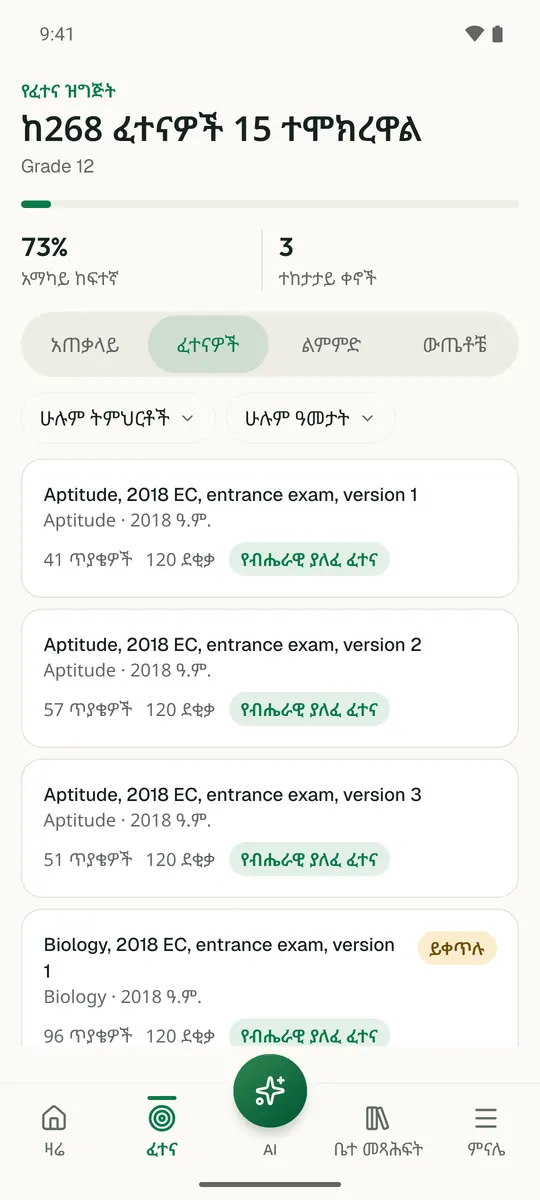
ይህን ምዕራፍ በመተግበሪያው ይለማመዱ
Temari ይህን ምዕራፍ ወደ ጊዜ የተቆረጠለት መልመጃ ይለውጠዋል፣ እየሠሩ ያርምዎታል፤ ያልገባዎትንም የሚያብራራ የ AI አስተማሪ አለ።
በነጻ ይጀምሩ
Temari.et ለ Android ስልኮች መተግበሪያ አለው፤ በ Google Play ላይ በነጻ ይገኛል።