የ12ኛ ክፍል ኢኮኖሚክስ ምዕራፍ 6
How the headcount and the poverty gap measure poverty
1:21 · በምዕራፍ 6 ላይ ካሉት 2 ማብራሪያዎች 1ኛው
የ12ኛ ክፍል ኢኮኖሚክስ ምዕራፍ 6 አጭር የ Temari የአኒሜሽን ማብራሪያ፦ How the headcount and the poverty gap measure poverty። የሚናገረው ሁሉ ከቪዲዮው በታች ተጽፏል። በነጻ ይታያል፤ መለያ አያስፈልግም። ማብራሪያዎቹ በእንግሊዝኛ ናቸው።
ማብራሪያው የሚናገረው ሁሉ
የማብራሪያው ቃላት በየክፍሉ፣ በቪዲዮው ላይ እንደሚጻፉት።
Measuring poverty takes three steps
To measure poverty, first choose an indicator of welfare, such as income.
Next, set a poverty line: the minimum acceptable level that separates the poor from the non-poor.
Last, sum it all up in one number, a summary statistic.
The headcount counts who is below the line
The headcount index counts the poor as a share of the whole population.
In Ethiopia, the share below the national poverty line fell from 38 to 24 percent, between 2008/09 and 2018/19.
The poverty gap measures how far below
But the headcount alone ignores how far below the line each poor person is.
The total poverty gap adds up those distances: the income needed to lift everyone up to the line.
Divide it by the whole population, and you get the average poverty gap.
Some of the poor are poorer than others
Two poor people can be just under the line, or far below it, yet the headcount counts each of them once.
The Foster-Greer-Thorbecke index goes further: it shows the degree of income inequality among the poor.
Measuring poverty
The headcount counts the poor. The poverty gap measures how far below the line they are.
Save this one for your exam.
የምዕራፍ 6 ሙሉ ትምህርት
በዚህ ምዕራፍ ላይ ያለው ረዘም ያለ የ Temari ቪዲዮ ትምህርት ነው፤ የሚናገረው ሁሉ በገጹ ላይ ተጽፏል።
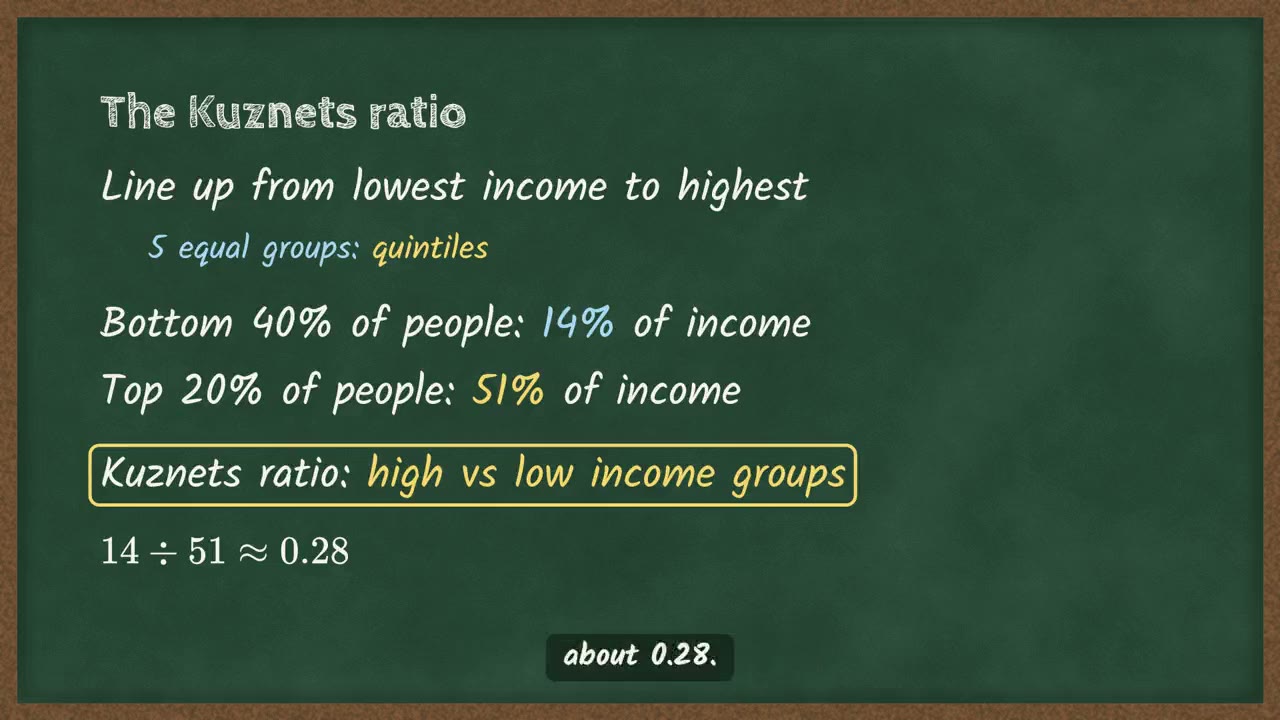 Measuring inequality: the Lorenz curve and the Gini coefficient4 ደቂቃ
በምዕራፍ 6 ላይ ሌሎች ማብራሪያዎች
ስለ ምዕራፍ 6 ተጨማሪ
የምዕራፉ ገጽ Temari በዚህ ምዕራፍ ላይ ያለውን ሌላውን ይዟል፤ ለምሳሌ አጭር ማስታወሻዎችና የመልመጃ ጥያቄዎች ከመልሶቻቸው ጋር።
የምዕራፍ 6 ገጽ ይክፈቱይህን ምዕራፍ በመተግበሪያው ይለማመዱ
Temari ይህን ምዕራፍ ወደ ጊዜ የተቆረጠለት መልመጃ ይለውጠዋል፣ እየሠሩ ያርምዎታል፤ ያልገባዎትንም የሚያብራራ የ AI አስተማሪ አለ።
በነጻ ይጀምሩ
Temari.et ለ Android ስልኮች መተግበሪያ አለው፤ በ Google Play ላይ በነጻ ይገኛል።

