የ9ኛ ክፍል ጂኦግራፊ ምዕራፍ 6
Where pollution comes from
1:21 · በምዕራፍ 6 ላይ ካሉት 2 ማብራሪያዎች 2ኛው
የ9ኛ ክፍል ጂኦግራፊ ምዕራፍ 6 አጭር የ Temari የአኒሜሽን ማብራሪያ፦ Where pollution comes from። የሚናገረው ሁሉ ከቪዲዮው በታች ተጽፏል። በነጻ ይታያል፤ መለያ አያስፈልግም። ማብራሪያዎቹ በእንግሊዝኛ ናቸው።
ማብራሪያው የሚናገረው ሁሉ
የማብራሪያው ቃላት በየክፍሉ፣ በቪዲዮው ላይ እንደሚጻፉት።
What counts as pollution
Pollution is any unwanted substance added to the air, water or soil that can harm people or other living things.
A volcano or a wildfire can pollute too, but most pollution comes from human activities.
More people, more waste
As Ethiopia's population grows quickly, four sources give off more pollutants.
Households add sewage, solid waste and gases.
Growing industries add gases, liquids and solid chemicals.
More vehicles add exhaust gases, and farms add fertilizers, pesticides and animal waste.
Farms lead in Ethiopia
In Ethiopia, agriculture is the biggest source of pollution.
Chemical fertilizers and pesticides can easily contaminate the soil, water, meadows and living things.
Tannery waste reaches rivers
Many leather factories in Ethiopia have no proper waste treatment.
Soaking and washing hides uses water, and salt, hair, ammonia and acids can flow into nearby rivers.
So keeping waste out of rivers and lakes protects them.
Pollution in Ethiopia
Households, industries, vehicles and farms pollute more as the population grows.
Save this one for revision.
የምዕራፍ 6 ሙሉ ትምህርት
በዚህ ምዕራፍ ላይ ያለው ረዘም ያለ የ Temari ቪዲዮ ትምህርት ነው፤ የሚናገረው ሁሉ በገጹ ላይ ተጽፏል።
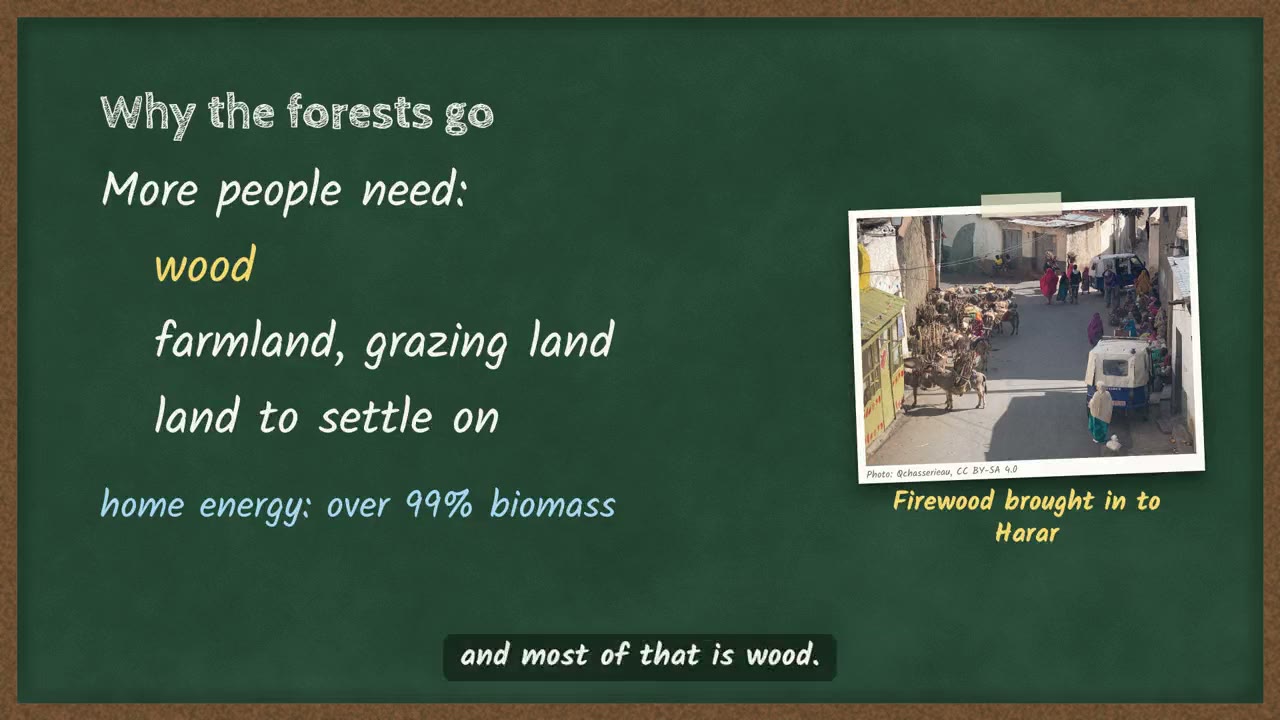 Fewer trees, thinner soil: Ethiopia's land under pressure4 ደቂቃ
በምዕራፍ 6 ላይ ሌሎች ማብራሪያዎች
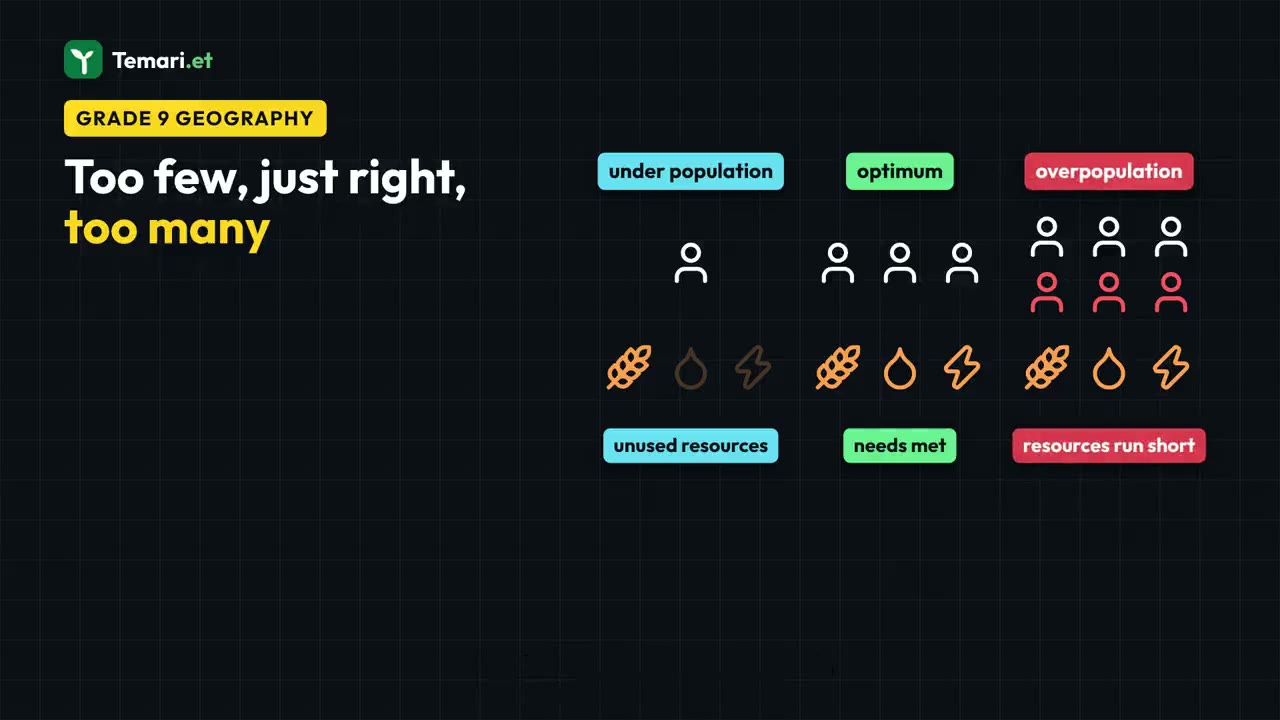
ስለ ምዕራፍ 6 ተጨማሪ
የምዕራፉ ገጽ Temari በዚህ ምዕራፍ ላይ ያለውን ሌላውን ይዟል፤ ለምሳሌ አጭር ማስታወሻዎችና የመልመጃ ጥያቄዎች ከመልሶቻቸው ጋር።
የምዕራፍ 6 ገጽ ይክፈቱይህን ምዕራፍ በመተግበሪያው ይለማመዱ
Temari ይህን ምዕራፍ ወደ ጊዜ የተቆረጠለት መልመጃ ይለውጠዋል፣ እየሠሩ ያርምዎታል፤ ያልገባዎትንም የሚያብራራ የ AI አስተማሪ አለ።
በነጻ ይጀምሩ
Temari.et ለ Android ስልኮች መተግበሪያ አለው፤ በ Google Play ላይ በነጻ ይገኛል።

