የ10ኛ ክፍል ኬሚስትሪ ምዕራፍ 4
Why water takes so much heat to warm
1:18 · በምዕራፍ 4 ላይ ካሉት 2 ማብራሪያዎች 1ኛው
የ10ኛ ክፍል ኬሚስትሪ ምዕራፍ 4 አጭር የ Temari የአኒሜሽን ማብራሪያ፦ Why water takes so much heat to warm። የሚናገረው ሁሉ ከቪዲዮው በታች ተጽፏል። በነጻ ይታያል፤ መለያ አያስፈልግም። ማብራሪያዎቹ በእንግሊዝኛ ናቸው።
ማብራሪያው የሚናገረው ሁሉ
የማብራሪያው ቃላት በየክፍሉ፣ በቪዲዮው ላይ እንደሚጻፉት።
Same mass, same flame, different heat
Put a gram of gold and a gram of water over the same flame.
Warm each by one kelvin, and count the heat it takes.
The water needs over thirty times as much heat as the gold.
Heat for one gram, one kelvin
The heat to warm one gram by one kelvin is its specific heat capacity, c.
In symbols, c is the heat divided by the mass and by the change in temperature.
Gold and iron have a small c, and water has a very large one.
Heat = c × mass × ΔT
For any warming, heat is c, times mass, times the temperature change.
Warm 200 grams of water from 20 to 70 degrees, a change of 50 kelvin.
Water's c is 4.18 joules per gram per kelvin.
So the heat is 41,800 joules.
Slow to heat, slow to cool
That is why a lake stays cool on a hot afternoon, and warm at night.
A heavy clay mitad needs a lot of heat for each degree, so it heats slowly, and stays hot long after the fire is out.
Specific heat capacity
A large c is slow to warm, and slow to cool.
Save this one for revision.
የምዕራፍ 4 ሙሉ ትምህርት
በዚህ ምዕራፍ ላይ ያለው ረዘም ያለ የ Temari ቪዲዮ ትምህርት ነው፤ የሚናገረው ሁሉ በገጹ ላይ ተጽፏል።
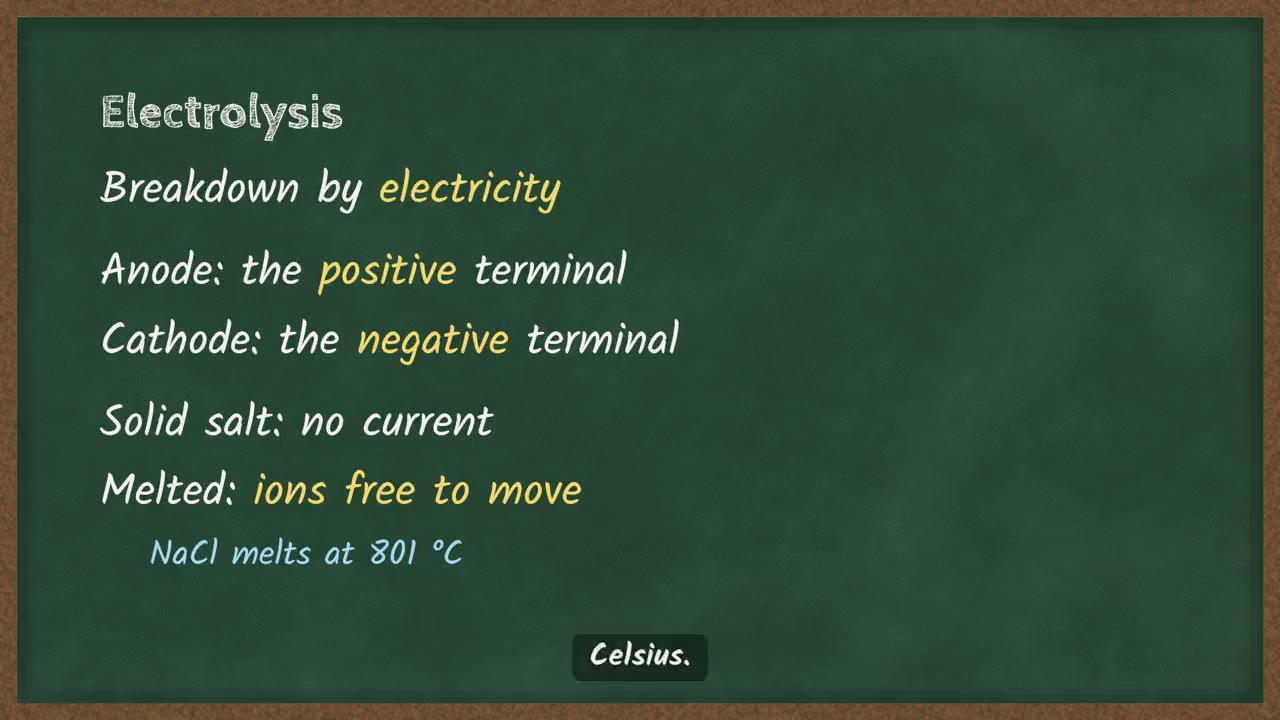 Electrolysis: which ion goes where?4 ደቂቃ
በምዕራፍ 4 ላይ ሌሎች ማብራሪያዎች
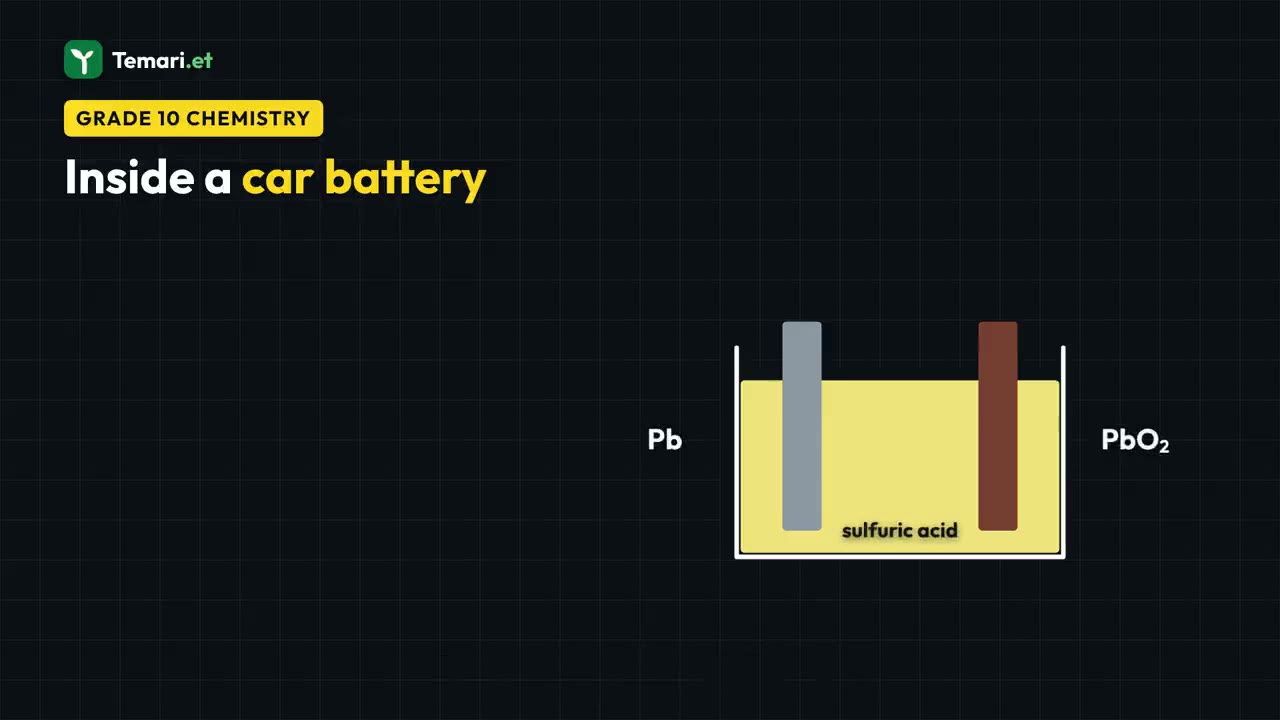
ስለ ምዕራፍ 4 ተጨማሪ
የምዕራፉ ገጽ Temari በዚህ ምዕራፍ ላይ ያለውን ሌላውን ይዟል፤ ለምሳሌ አጭር ማስታወሻዎችና የመልመጃ ጥያቄዎች ከመልሶቻቸው ጋር።
የምዕራፍ 4 ገጽ ይክፈቱይህን ምዕራፍ በመተግበሪያው ይለማመዱ
Temari ይህን ምዕራፍ ወደ ጊዜ የተቆረጠለት መልመጃ ይለውጠዋል፣ እየሠሩ ያርምዎታል፤ ያልገባዎትንም የሚያብራራ የ AI አስተማሪ አለ።
በነጻ ይጀምሩ
Temari.et ለ Android ስልኮች መተግበሪያ አለው፤ በ Google Play ላይ በነጻ ይገኛል።

