Grade 10 Chemistry unit 4
Why water takes so much heat to warm
1:18 · Explainer 1 of 2 on unit 4
A short animated Temari explainer on Grade 10 Chemistry unit 4: Why water takes so much heat to warm. Every word it says is written out under the video.
Everything the explainer says
The explainer's words, part by part, as its captions show them.
Same mass, same flame, different heat
Put a gram of gold and a gram of water over the same flame.
Warm each by one kelvin, and count the heat it takes.
The water needs over thirty times as much heat as the gold.
Heat for one gram, one kelvin
The heat to warm one gram by one kelvin is its specific heat capacity, c.
In symbols, c is the heat divided by the mass and by the change in temperature.
Gold and iron have a small c, and water has a very large one.
Heat = c × mass × ΔT
For any warming, heat is c, times mass, times the temperature change.
Warm 200 grams of water from 20 to 70 degrees, a change of 50 kelvin.
Water's c is 4.18 joules per gram per kelvin.
So the heat is 41,800 joules.
Slow to heat, slow to cool
That is why a lake stays cool on a hot afternoon, and warm at night.
A heavy clay mitad needs a lot of heat for each degree, so it heats slowly, and stays hot long after the fire is out.
Specific heat capacity
A large c is slow to warm, and slow to cool.
Save this one for revision.
The full lesson on unit 4
Temari's longer video lesson on this chapter, with every word written out on its page.
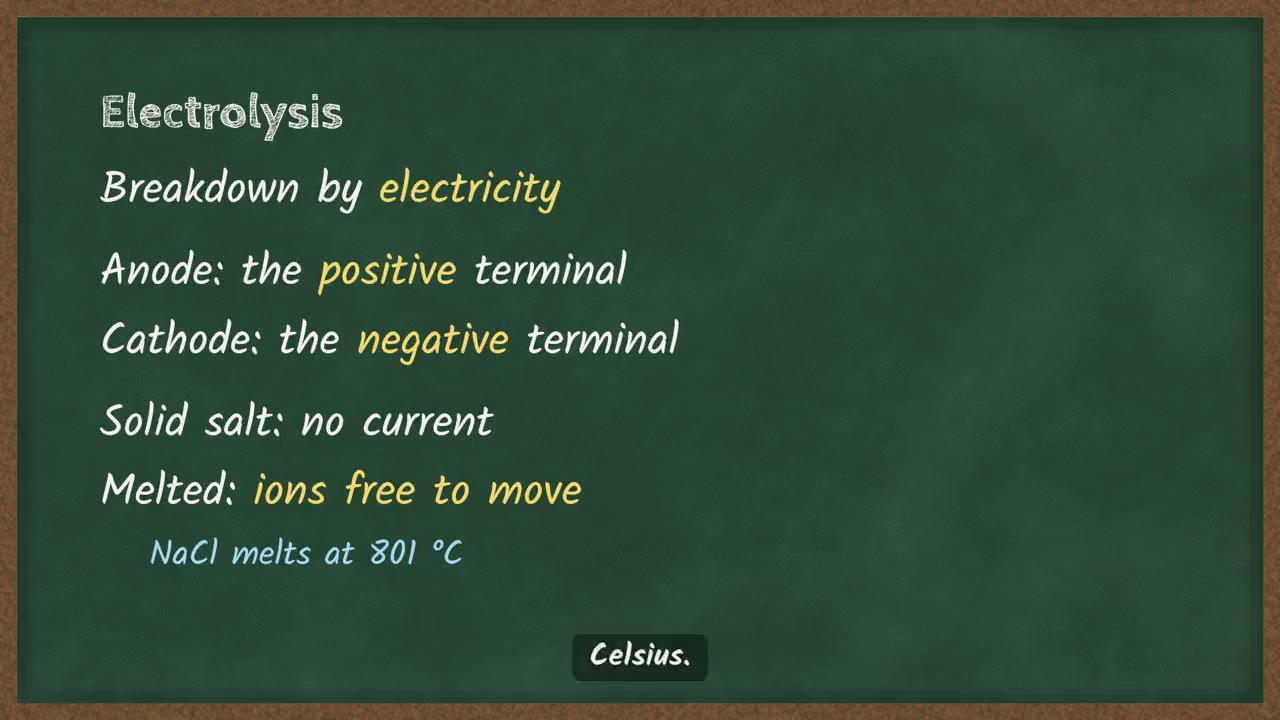 Electrolysis: which ion goes where?4 min
More explainers on unit 4
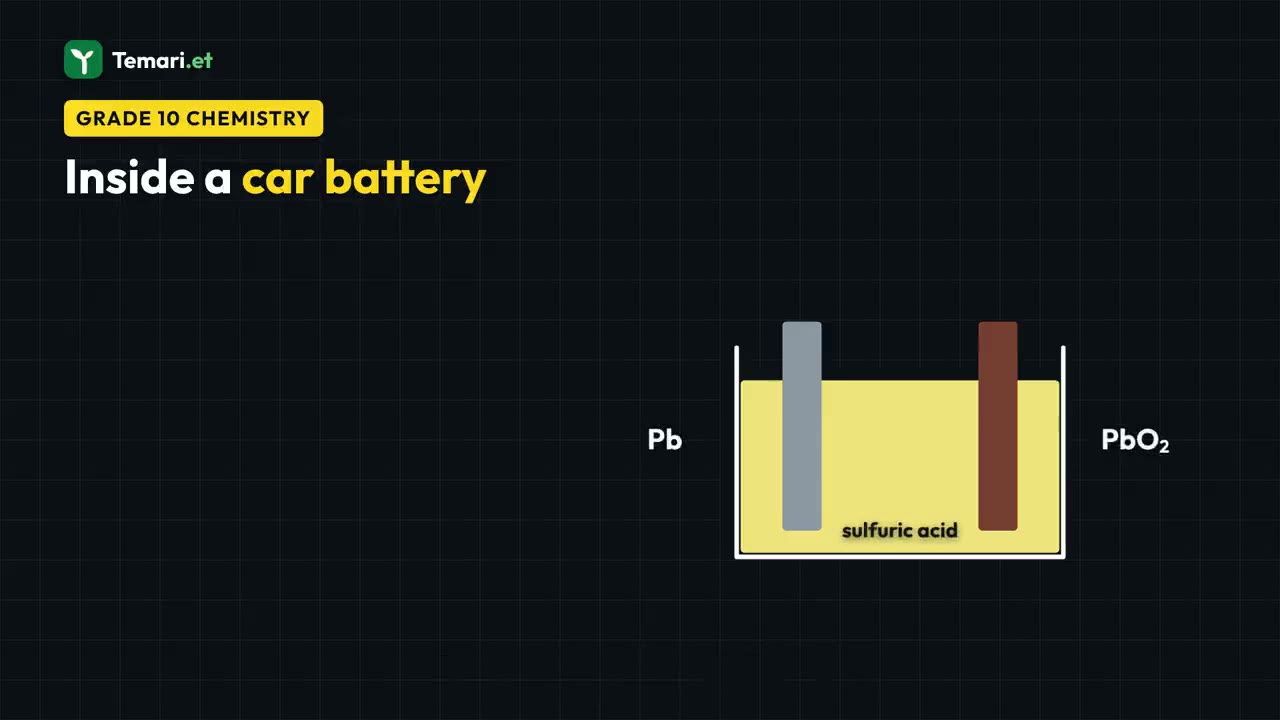
More on unit 4
The chapter's own page holds the rest of what Temari has on it, such as short notes and practice questions with their answers.
Open the unit 4 pagePractise this unit in the app
Temari turns this chapter into timed practice and marks it as you go, with an AI tutor to explain anything that did not land.
Start free
Temari.et is also an Android app, free on Google Play.

