የ12ኛ ክፍል ባዮሎጂ ምዕራፍ 3
How cactus plants take in carbon dioxide at night
1:28 · በምዕራፍ 3 ላይ ካሉት 3 ማብራሪያዎች 1ኛው
የ12ኛ ክፍል ባዮሎጂ ምዕራፍ 3 አጭር የ Temari የአኒሜሽን ማብራሪያ፦ How cactus plants take in carbon dioxide at night። የሚናገረው ሁሉ ከቪዲዮው በታች ተጽፏል። በነጻ ይታያል፤ መለያ አያስፈልግም። ማብራሪያዎቹ በእንግሊዝኛ ናቸው።
ማብራሪያው የሚናገረው ሁሉ
የማብራሪያው ቃላት በየክፍሉ፣ በቪዲዮው ላይ እንደሚጻፉት።
Open pores lose water
Carbon dioxide enters a leaf through pores called stomata.
Water vapour leaves through the same pores.
On a hot, dry desert day, open stomata would make a cactus lose its water.
At night the stomata open
So CAM plants, like cacti, open their stomata at night.
Carbon dioxide enters, and an enzyme joins it to a molecule called PEP.
That makes oxaloacetate, which is turned into malate.
The malate is stored in the vacuole all night, so the leaf turns acidic.
By day the stomata close
When the sun rises, the stomata close, so no water escapes.
The malate leaves the vacuole and releases its carbon dioxide inside the leaf.
With the stomata shut, it cannot escape.
The Calvin cycle then fixes it into sugar, using energy from the light reactions.
Two steps, half a day apart
A CAM plant takes in carbon dioxide at night, and fixes it by day.
C4 plants keep these two steps in two different cells.
CAM plants keep them apart in time.
CAM plants
Stomata open at night, malate stored in the vacuole, and sugar made by day.
Save this one for your exam.
የምዕራፍ 3 ሙሉ ትምህርት
በዚህ ምዕራፍ ላይ ያለው ረዘም ያለ የ Temari ቪዲዮ ትምህርት ነው፤ የሚናገረው ሁሉ በገጹ ላይ ተጽፏል።
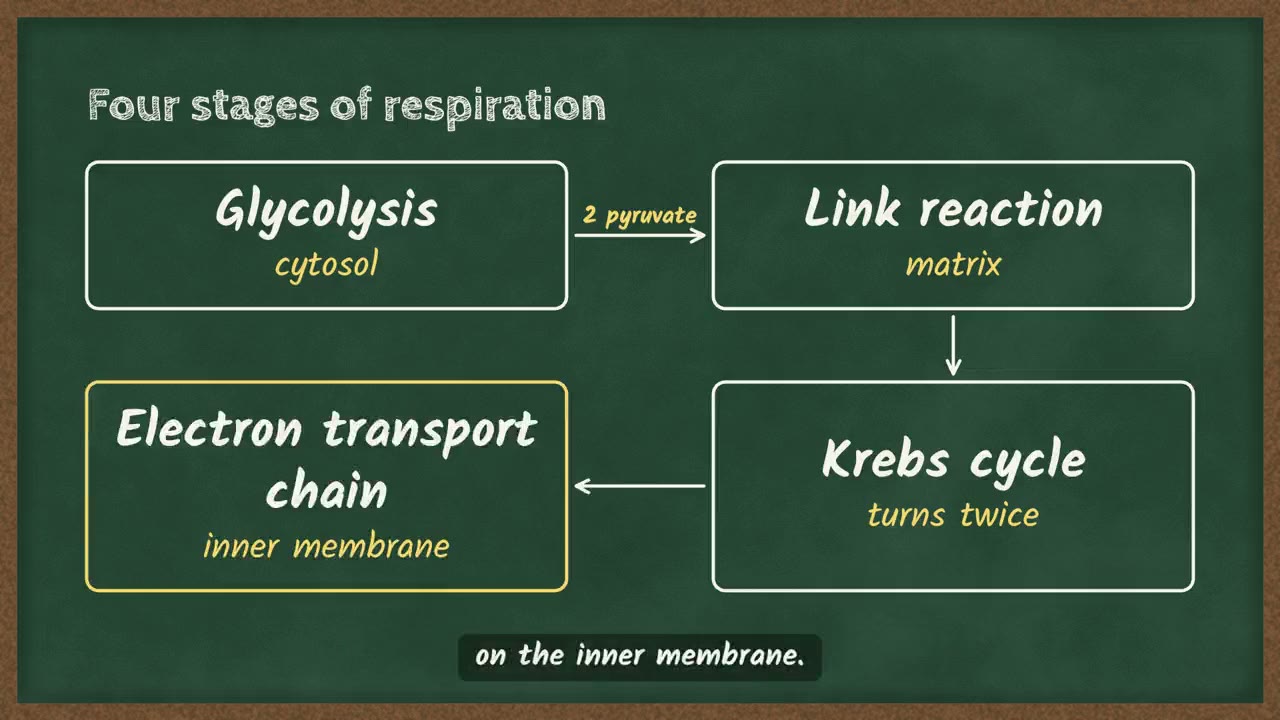 Counting the ATP from one glucose4 ደቂቃ
በምዕራፍ 3 ላይ ሌሎች ማብራሪያዎች
ስለ ምዕራፍ 3 ተጨማሪ
የምዕራፉ ገጽ Temari በዚህ ምዕራፍ ላይ ያለውን ሌላውን ይዟል፤ ለምሳሌ አጭር ማስታወሻዎችና የመልመጃ ጥያቄዎች ከመልሶቻቸው ጋር።
የምዕራፍ 3 ገጽ ይክፈቱይህን ምዕራፍ በመተግበሪያው ይለማመዱ
Temari ይህን ምዕራፍ ወደ ጊዜ የተቆረጠለት መልመጃ ይለውጠዋል፣ እየሠሩ ያርምዎታል፤ ያልገባዎትንም የሚያብራራ የ AI አስተማሪ አለ።
በነጻ ይጀምሩ
Temari.et ለ Android ስልኮች መተግበሪያ አለው፤ በ Google Play ላይ በነጻ ይገኛል።

