የ12ኛ ክፍል ባዮሎጂ ምዕራፍ 4
How a fossil's age is read from its atoms
1:27 · በምዕራፍ 4 ላይ ካሉት 3 ማብራሪያዎች 3ኛው
የ12ኛ ክፍል ባዮሎጂ ምዕራፍ 4 አጭር የ Temari የአኒሜሽን ማብራሪያ፦ How a fossil's age is read from its atoms። የሚናገረው ሁሉ ከቪዲዮው በታች ተጽፏል። በነጻ ይታያል፤ መለያ አያስፈልግም። ማብራሪያዎቹ በእንግሊዝኛ ናቸው።
ማብራሪያው የሚናገረው ሁሉ
የማብራሪያው ቃላት በየክፍሉ፣ በቪዲዮው ላይ እንደሚጻፉት።
Deeper layers are older
Sedimentary rock is laid down in layers, one on top of another.
The oldest fossils lie in the lowest layers, and the newest lie nearest the surface.
That is relative dating. It says which is older, but not by how many years.
Radioactive atoms keep time
For the years, scientists measure radioactive atoms in the fossil, like carbon 14.
Each one decays into a nitrogen atom.
Half of them decay in one half-life, which for carbon 14 is 5,730 years.
Half, then half again
At time zero, all of it is still there.
After one half-life, half remains.
After two, a quarter remains.
After three, an eighth.
Each half-life, half of what is left decays.
Read the age off the curve
Plotted over time, the decay draws this curve.
Say a fossil holds a quarter of the carbon 14 a living thing has.
That is two half-lives, so the fossil is 11,460 years old.
Radiocarbon dating works for fossils up to 60,000 years old.
Radiometric dating
Each half-life halves the carbon 14, so what is left gives the age.
Save this one for your exam.
የምዕራፍ 4 ሙሉ ትምህርት
በዚህ ምዕራፍ ላይ ያለው ረዘም ያለ የ Temari ቪዲዮ ትምህርት ነው፤ የሚናገረው ሁሉ በገጹ ላይ ተጽፏል።
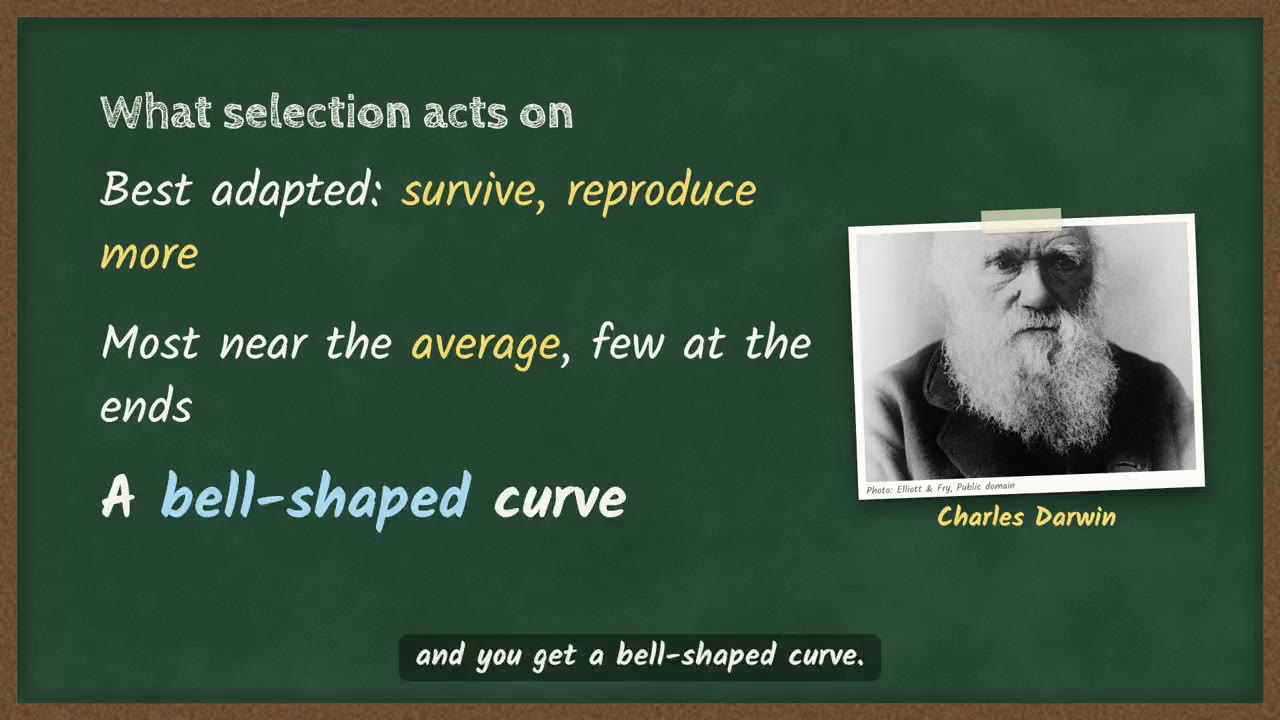 Three ways natural selection shapes a population4 ደቂቃ
ስለ ምዕራፍ 4 ተጨማሪ
የምዕራፉ ገጽ Temari በዚህ ምዕራፍ ላይ ያለውን ሌላውን ይዟል፤ ለምሳሌ አጭር ማስታወሻዎችና የመልመጃ ጥያቄዎች ከመልሶቻቸው ጋር።
የምዕራፍ 4 ገጽ ይክፈቱይህን ምዕራፍ በመተግበሪያው ይለማመዱ
Temari ይህን ምዕራፍ ወደ ጊዜ የተቆረጠለት መልመጃ ይለውጠዋል፣ እየሠሩ ያርምዎታል፤ ያልገባዎትንም የሚያብራራ የ AI አስተማሪ አለ።
በነጻ ይጀምሩ
Temari.et ለ Android ስልኮች መተግበሪያ አለው፤ በ Google Play ላይ በነጻ ይገኛል።

