Grade 11 Biology unit 1
How a termite mound taught engineers to build
1:23 · Explainer 1 of 2 on unit 1
A short animated Temari explainer on Grade 11 Biology unit 1: How a termite mound taught engineers to build. Every word it says is written out under the video.
Everything the explainer says
The explainer's words, part by part, as its captions show them.
A mound with chimneys
Termites live together inside a mound.
The mound has chimneys.
The chimneys keep the air inside at a constant temperature.
Constant means it stays the same.
Humidity, the amount of water in the air, stays constant too.
Outside changes, inside stays
By day, the sun warms the air outside.
At night, it cools again.
But inside the mound, the temperature stays the same, day and night.
This well-adapted structure helps termites survive.
Engineers copy the mound
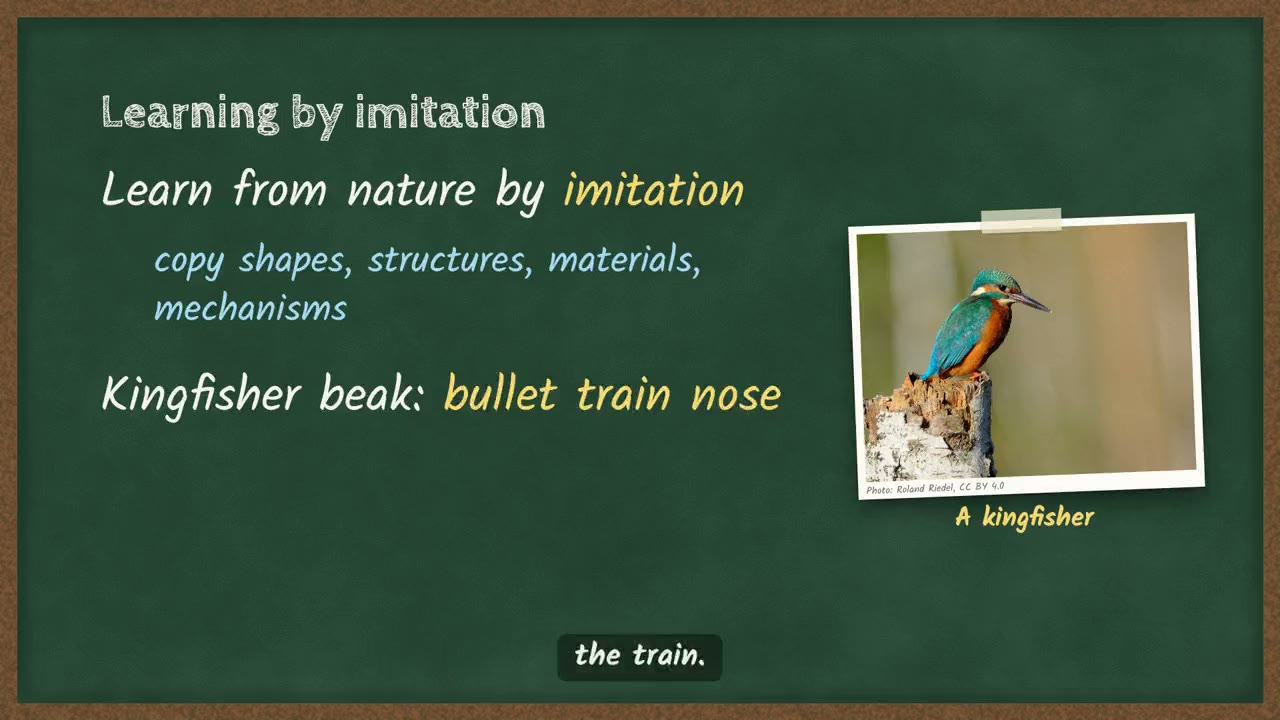
Engineers learn from nature by imitation.
They sketch the structure, design how it works, and tune it into better technology.
So they copied the mound to design buildings with chimneys.
A building with chimneys
In Harare, the East Gate Center is one example.
Like the mound, it has chimneys.
As the day outside warms and then cools,
its chimneys keep the temperature and humidity inside constant.
Swallows taught us too
Termites are not the only builders engineers copied.
Swallow nests also inspired the design of houses.
Learning from termites
A termite mound's chimneys keep its air constant, and buildings copy them.
Save this one for revision.
The full lesson on unit 1
Temari's longer video lesson on this chapter, with every word written out on its page.
 Copying nature to build technology4 min
More explainers on unit 1
More on unit 1
The chapter's own page holds the rest of what Temari has on it, such as short notes and practice questions with their answers.
Open the unit 1 pagePractise this unit in the app
Temari turns this chapter into timed practice and marks it as you go, with an AI tutor to explain anything that did not land.
Start free
Temari.et is also an Android app, free on Google Play.

