Grade 12 Economics unit 7
How Ethiopia's plans swung between industry and agriculture
1:28
A short animated Temari explainer on Grade 12 Economics unit 7: How Ethiopia's plans swung between industry and agriculture. Free to watch, no account needed.
Everything the explainer says
The explainer's words, part by part, as its captions show them.
Each plan picks a leading sector
Ethiopia's plans have swung between two leaders: industry and agriculture.
From 1957, the monarchy ran three five-year plans that pushed infrastructure and industry.
The third turned to farming over food shortages, but the non-agricultural sector stayed the main driver.
The Derg chose industry
In 1974, the Derg took power and set up a centrally planned economy.
Industry-led development became its main strategy.
From 1974 to 1978, the economy grew by only 0.4 percent a year.
In 1991 the weight moved to farming
In 1991, the EPRDF swung the plan to agricultural-led development.
It removed farm price controls and privatized state farms.
From 1994, its strategy, ADLI, made farming the engine that feeds industry.
Later plans widened the aim
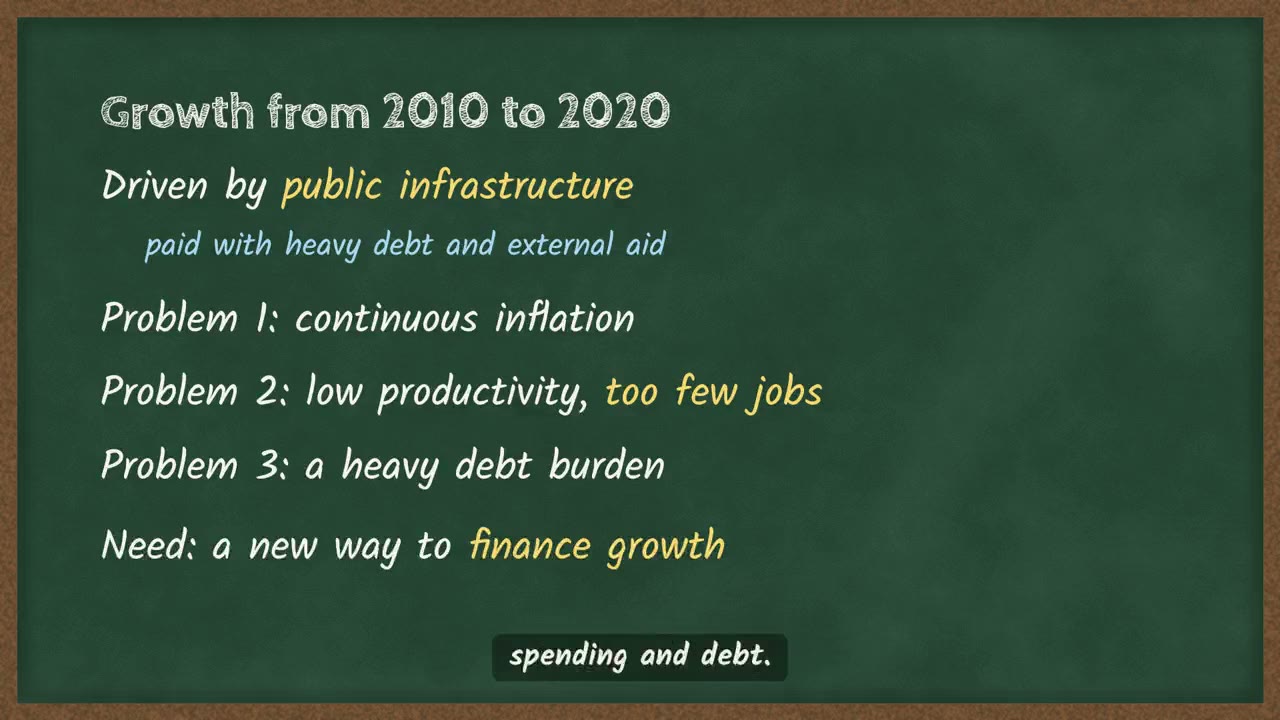
The first Growth and Transformation Plan, from 2010/11, widened the aim to industrialization.
The ten-year plan for 2021 to 2030 moves to a market-based, private sector-led economy.
Development plans
Under the Derg, industry led. Under ADLI, agriculture led.
Save this one for your exam.
The full lesson on unit 7
Temari's longer video lesson on this chapter, with every word written out on its page.
 Why Ethiopia needed a home-grown economic reform4 min
More on unit 7
The chapter's own page holds the rest of what Temari has on it, such as short notes and practice questions with their answers.
Open the unit 7 pagePractise this unit in the app
Temari turns this chapter into timed practice and marks it as you go, with an AI tutor to explain anything that did not land.
Start free
Temari.et is also an Android app, free on Google Play.

