Grade 12 Economics unit 4
Why a price ceiling brings a shortage and a floor a surplus
1:10 · Explainer 1 of 2 on unit 4
A short animated Temari explainer on Grade 12 Economics unit 4: Why a price ceiling brings a shortage and a floor a surplus. Free to watch, no account needed.
Everything the explainer says
The explainer's words, part by part, as its captions show them.
Left alone, price settles where supply meets demand
Left alone, a market settles where the supply curve meets the demand curve.
At that equilibrium price, quantity demanded equals quantity supplied.
A price ceiling sits below equilibrium
Now the government sets a price ceiling, a maximum legal price below the equilibrium price.
It is often used on staples like food, to keep them affordable.
At this lower price, buyers want more, but sellers offer less.
The gap between them is a shortage.
A price floor sits above equilibrium
A price floor does the opposite. It is a minimum price, set above equilibrium.
Now sellers offer more, but buyers want less. The gap is a surplus.
A minimum wage is a price floor on labour.
A floor below equilibrium does nothing
To have any effect, a floor must sit above the equilibrium price.
Set below it, the floor has no effect on the market.
Price controls
A ceiling below equilibrium brings a shortage. A floor above it brings a surplus.
Save this one for your exam.
The full lesson on unit 4
Temari's longer video lesson on this chapter, with every word written out on its page.
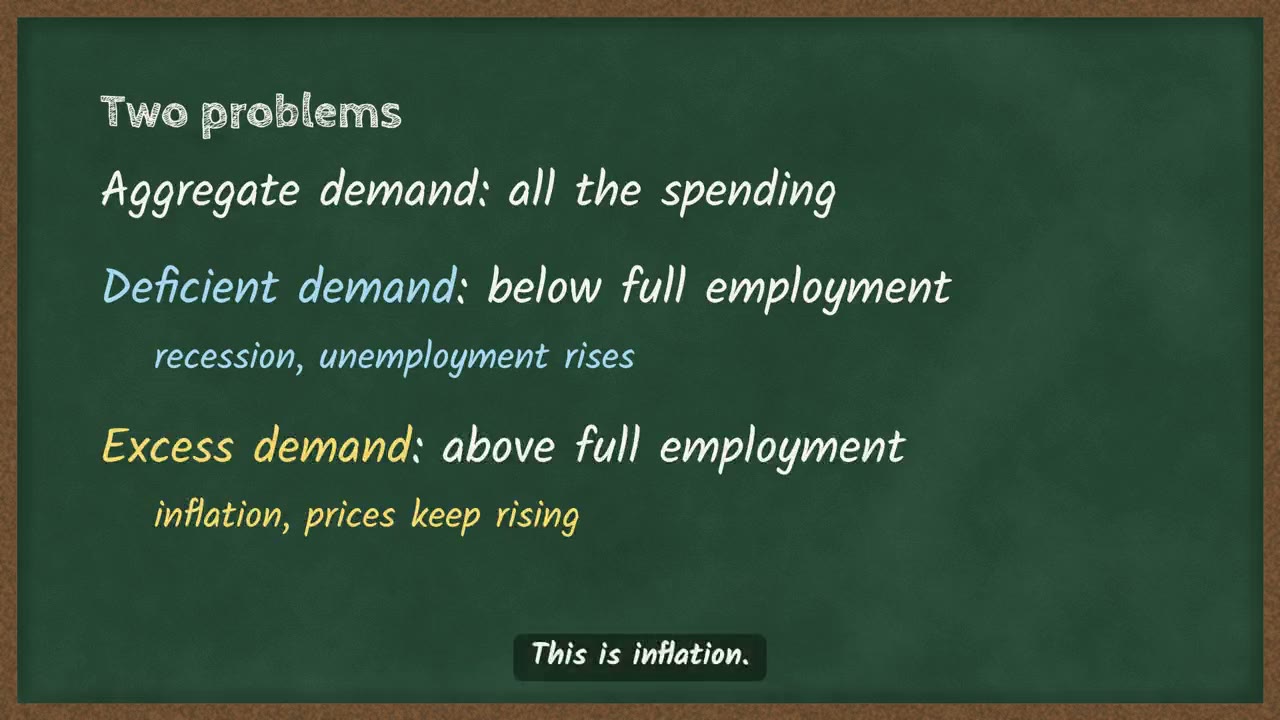 Push demand up, or pull it down4 min
More explainers on unit 4
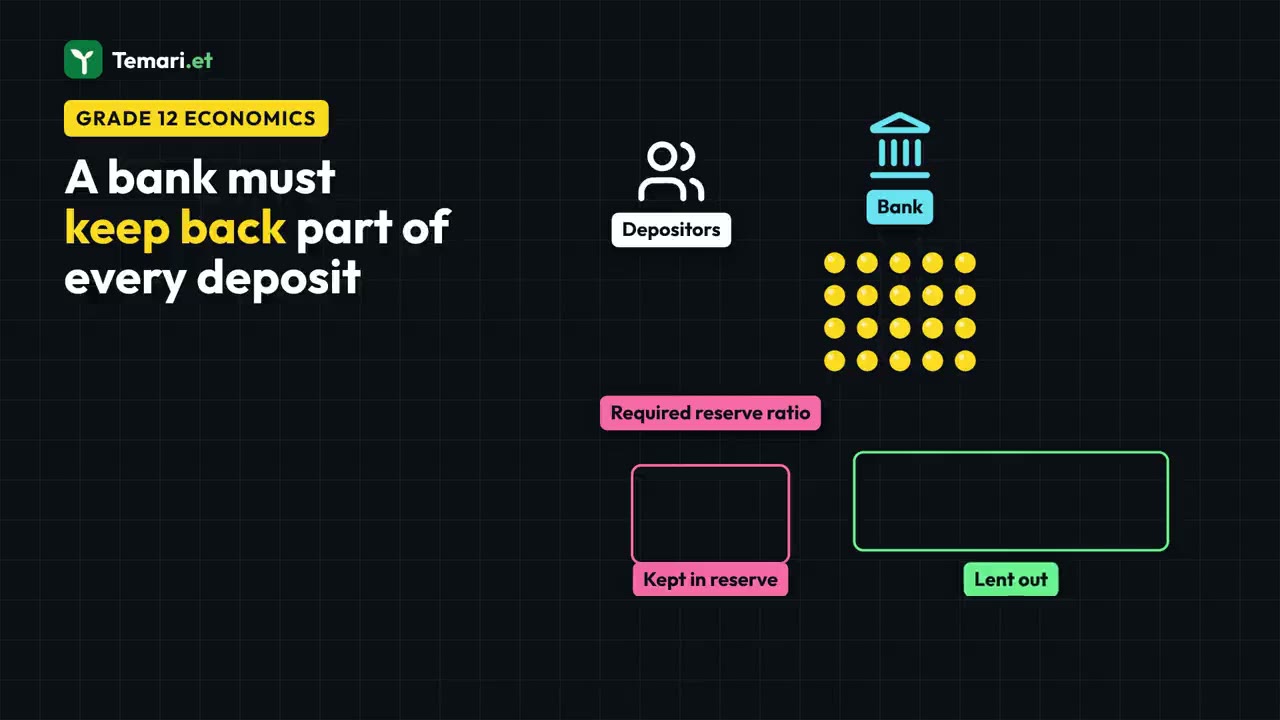
More on unit 4
The chapter's own page holds the rest of what Temari has on it, such as short notes and practice questions with their answers.
Open the unit 4 pagePractise this unit in the app
Temari turns this chapter into timed practice and marks it as you go, with an AI tutor to explain anything that did not land.
Start free
Temari.et is also an Android app, free on Google Play.

