Grade 12 History unit 2
The Legitimate Trade: what replaced the slave trade in West Africa
1:23 · Explainer 1 of 2 on unit 2
A short animated Temari explainer on Grade 12 History unit 2: The Legitimate Trade: what replaced the slave trade in West Africa.
Everything the explainer says
The explainer's words, part by part, as its captions show them.
A trade in people
For three centuries, West Africa's coast traded in human beings: the Trans-Atlantic Slave Trade.
It was called the Illegitimate Trade, because its goods were people.
After the Industrial Revolution, Britain led the way in ending it.
A new trade
Europe replaced it with what it called the Legitimate Trade.
West Africa now exported gum, groundnuts and palm oil, its main export by the 1850s.
In return came cloth, alcoholic drinks and firearms.
Who gained?
But it mostly benefited rulers and wealthy merchants, not most West Africans.
European cloth weakened local crafts. Imported firearms hurt local weapon making, and helped rulers plunder their own people.
Yet those guns were not modern enough to stop the colonial powers.
From trade to scramble
European merchants took control of the export trade, and of trade inside West Africa too.
Their competition grew into the Scramble for Africa in the 1870s and 1880s: a race for raw materials and markets.
The Legitimate Trade
The Legitimate Trade enriched rulers and merchants, and led on to the scramble.
Save this one for your exam.
The full lesson on unit 2
Temari's longer video lesson on this chapter, with every word written out on its page.
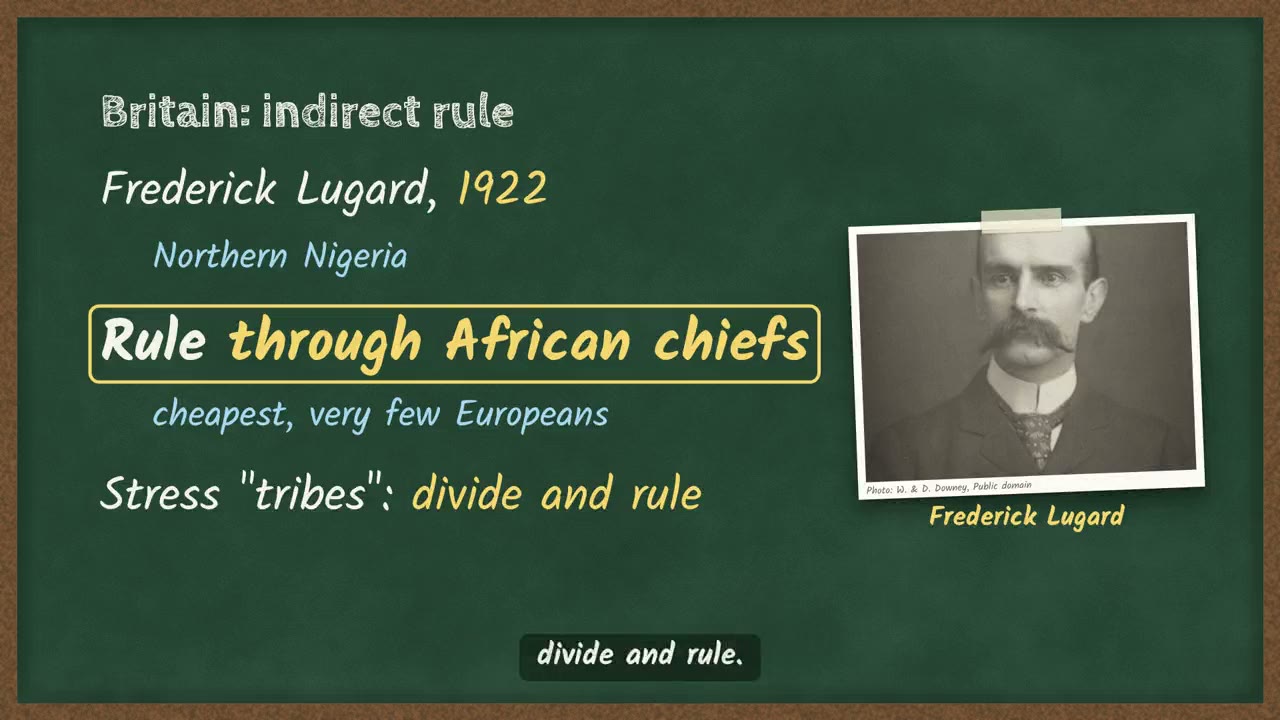 Indirect rule and direct rule4 min
More explainers on unit 2
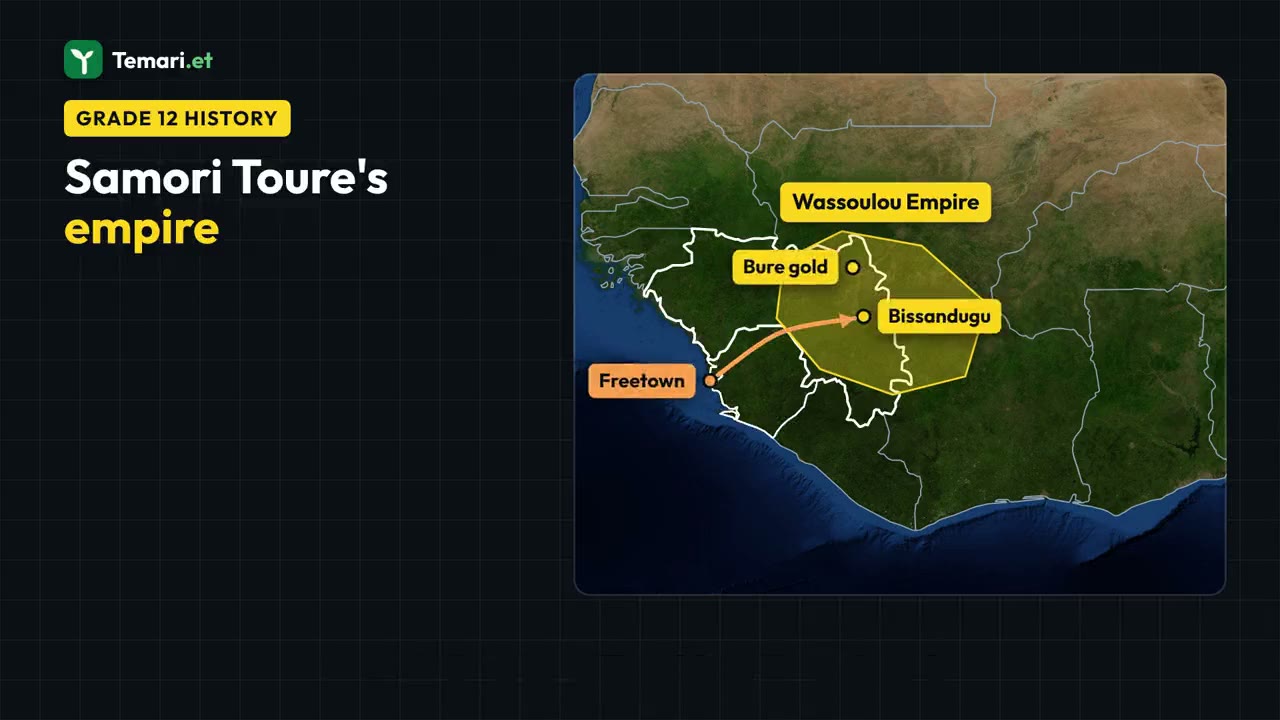
More on unit 2
The chapter's own page holds the rest of what Temari has on it, such as short notes and practice questions with their answers.
Open the unit 2 pagePractise this unit in the app
Temari turns this chapter into timed practice and marks it as you go, with an AI tutor to explain anything that did not land.
Start free
Temari.et is also an Android app, free on Google Play.

