On this page
What did the study find?
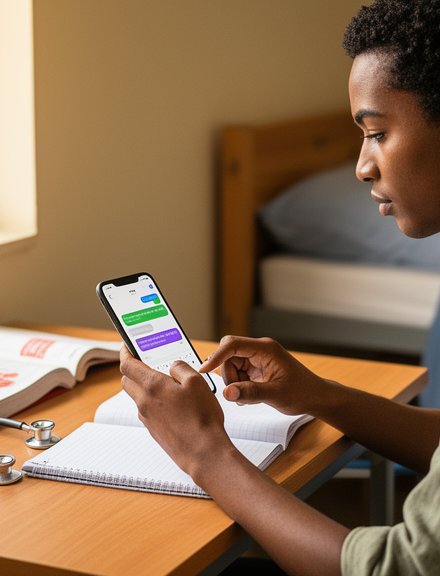
Bioengineer.org reported on Meskerem 29, 2019 E.C. (9 October 2026) on a cross-sectional study conducted at Arsi University. The report says the study was published in PLOS Digital Health. It asked 414 randomly selected undergraduates whether they used tools such as ChatGPT and Gemini for self-diagnosis or self-medication.
The researchers found that 70.05 percent of students had used generative AI for medical self-care. The students had a mean age of 22.2 years. The questionnaire was run on the Kobo Toolbox platform and reached a response rate of 97.87 percent. The researchers warned that over-reliance on these systems may lead to incorrect self-medication and delayed consultations with medical professionals.
Which students were more likely to use AI for self-care?
Using binary logistic regression, the researchers found that second-year students had 2.98 times the adjusted odds of using AI for self-care compared with their peers. Students with good digital health literacy had 71 percent higher odds. Students who were aware of generative AI had 2.18 times the odds, and students with a positive attitude toward the technology had 63 percent higher odds. Students who had visited a health facility had an adjusted odds ratio of 2.46.
Two groups were less likely to use it. Students with good health-seeking behaviour had 39 percent lower odds, an adjusted odds ratio of 0.61. Students who visited health facilities infrequently had about half the odds, at 0.49. The report says this suggests AI partly replaces formal care for students who are not connected to health services. The report describes only students at Arsi University, so its figures should not be read as a national rate.
When was the report published, and what is not stated?
| Item | Date in both calendars |
|---|---|
| Bioengineer.org report | Meskerem 29, 2019 E.C. (9 October 2026) |
| Publication in PLOS Digital Health | Not stated in the report |
| Dates of the survey | Not stated in the report |
The report gives no date for the journal publication or for the survey itself. It does not name any fee, deadline or place for students to act on, and no such detail has been announced in connection with this study.
What should students do now?
Check symptoms with a professional
If symptoms continue or get worse, visit a health facility or the student health service on campus rather than relying only on a chatbot.
Confirm any medicine first
Ask a pharmacist or doctor to confirm a medicine and its dose, because the researchers warned that these tools can give incorrect advice on medication.
Compare the answer with a second source
Check what a chatbot says against information from a health facility before you act on it.
How does the study fit the wider picture?
The report says there is little systematic data on AI-assisted self-care in Ethiopia, and by extension across much of sub-Saharan Africa. It also notes that generative AI tools are trained mostly on data from high-income countries, so their accuracy on tropical diseases and locally available medicines is poorly understood.
The report does not say whether a national or university policy on the use of AI for health questions exists, and it names no such policy.
Sources
Every figure and date above comes from one of these. Open them; a story about your child's school is worth checking.